Brighten Your Home: A Comprehensive Guide to Selecting the Ideal Rooflight
In urban environments, optimizing natural light can significantly impact the character of a property. Skylights deliver a range of benefits, from improving mood to boosting property value. This article examines essential elements to consider when choosing the perfect rooflight. It examines designs, materials, and positioning strategies that can revolutionize indoor environments. Recognising these aspects is vital for reaching well-informed decisions. Yet, the journey doesn't end here; key insights on installation and maintenance await.
Understanding the Benefits of Rooflights
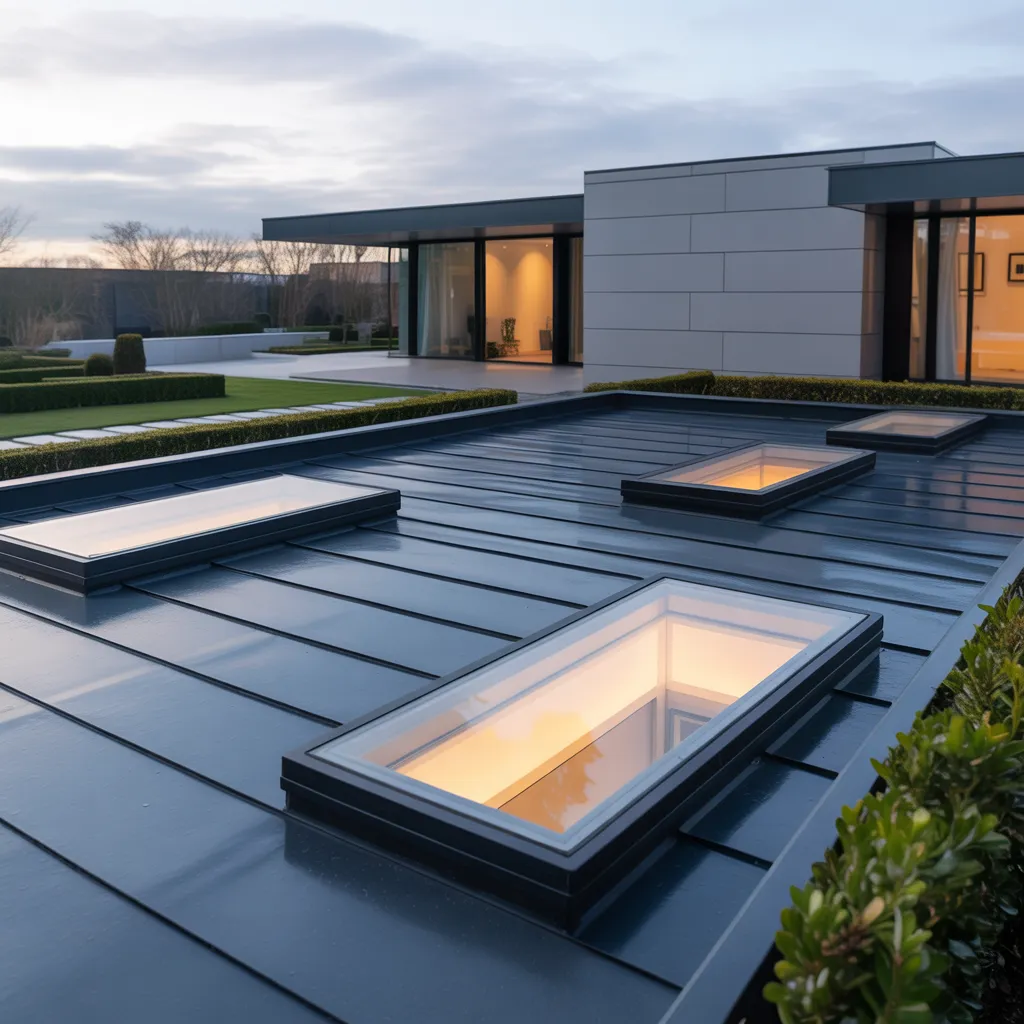
Natural light acts as a transformative force in any interior, and rooflights offer an effective solution to capture it. By allowing sunlight to flood into interiors, rooflights elevate the ambience, creating a sense of openness and spaciousness. This influx of natural light can considerably enhance mood and productivity, making spaces feel more inviting.
Moreover, rooflights promote energy efficiency by decreasing the use of artificial lighting during daylight hours. This not only decreases electricity costs but also diminishes environmental impact. Well-positioned rooflights can boost ventilation, supporting better air circulation and improving indoor air quality.
Furthermore, they can serve as architectural focal points, adding architectural character and value to a property. When all is considered, the merits of rooflights go beyond mere illumination; they enhance the overall quality of living and promote a healthier, more sustainable environment.
Rooflight Styles and Designs
When choosing the most suitable rooflight, one must consider the various styles and designs available, as each option can significantly impact both aesthetics and functionality. Widely favoured selections include fixed rooflights, which deliver a sleek, minimalist aesthetic, and openable rooflights that enable fresh air circulation in addition to natural illumination. Sloped skylights, typically larger in size, can create a dramatic focal point in a room.
Additionally, lantern rooflights offer a multifaceted design that enriches architectural interest while optimising sunlight. For traditional homes, vaulted or curved rooflights can complement period styles, offering a fusion of elegance and practicality.
In addition, current design trends commonly include frameless styles, forming a smooth link between inside and outside spaces. All styles provide their own set of advantages, making it essential to choose one that aligns with the overall design vision while meeting specific lighting needs.
Selecting Durable and Aesthetic Options for Your Roof Light
Selecting the correct components for a rooflight influences more than just its durability but also its overall appearance. Common materials include glass, polycarbonate, and acrylic, each offering unique benefits. Superior tempered or laminated glass is chosen for its clarity and strength, letting natural light pour through while offering excellent insulation. Polycarbonate, on the other hand, is lightweight and resistant to impact, making it perfect for areas prone to harsh weather conditions. Its UV-protective properties keeps it clear as time passes, improving both its appearance and longevity. Acrylic is another option, recognized for its cost-effectiveness and adaptability, though it is more susceptible to scratches compared to glass. When choosing materials, consideration should also be given to data frame options, such as aluminum or wood, which can complement the overall design while ensuring structural integrity. Ultimately, the correct blend of materials will elevate both the performance and aesthetic appeal of the rooflight.
How to Fit Your Rooflight with Ease
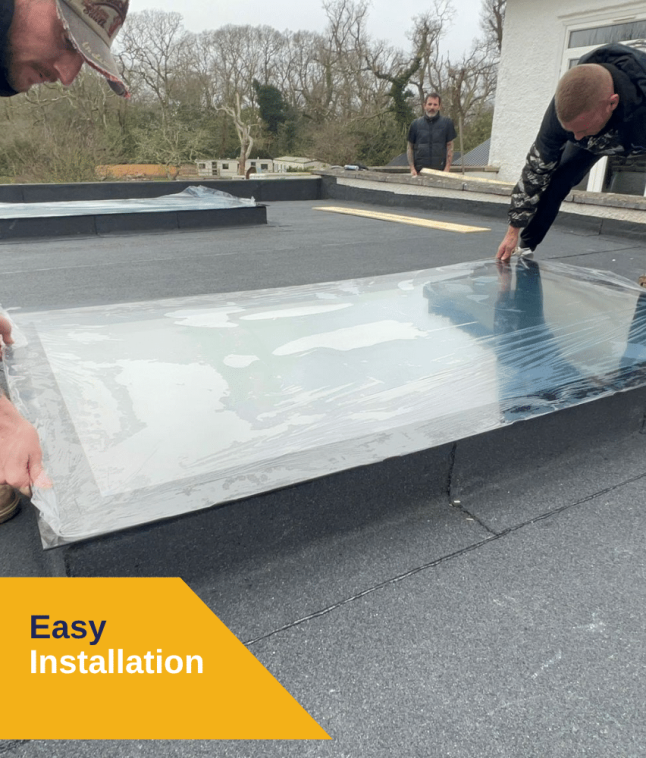
Installing a rooflight calls for thorough consideration and precision to secure a flawless fit within the established framework. Initially, it is essential to inspect the roof's condition and establish that it can accommodate the new installation. Accurate measurements of the rooflight and the opening are key to preventing any fitting issues.
Subsequently, cutting the roof structure must be executed with precision, as per manufacturer specifications. It is strongly suggested to utilize covering materials to keep debris from getting inside the home.
Once the aperture is prepared, the roof window unit should be positioned and secured, confirming it is even and weatherproof. Adequate sealing with flashing and appropriate materials will avoid water penetration.
To complete the process, interior detailing, like trim work and plastering, needs to be completed to create a polished look. Implementing these measures establishes that the roof light not only improves natural light but also sustains both structural integrity and overall aesthetic appeal.
Where to Place Your Rooflight for Maximum Sunlight?
How can one determine the ideal position for a rooflight to optimise sun exposure? The orientation of the building is a key factor; southward-oriented rooflights generally receive the most sunlight throughout the day. On the other hand, eastward-facing rooflights will benefit from morning sun, while west-facing options benefit from later daylight hours.
The angle of the roof also affects sunlight entry; a steeper pitch may allow for greater light penetration, especially during colder months when the sun is lower in the sky. Furthermore, accounting for nearby buildings and vegetation is important, as they can create shade that reduce sunlight penetration.
Strategically placing rooflights in key areas like kitchens or living rooms improves the flow of natural light, creating a more welcoming environment. In the end, considering these elements will enable one to choose the perfect location for maximum sunlight, creating a radiant and energising atmosphere.
Looking After Your Rooflight: Care Tips
Preserving a rooflight is essential for its longevity and efficiency. Establishing a regular cleaning regimen reduces dirt accumulation, while scheduled checks for wear and tear guarantee problems are resolved quickly. When prioritizing these care procedures, residents can enjoy the rewards of their rooflight for many years ahead.
Routine Cleaning Schedule
While rooflights improve natural light and energy efficiency, a regular cleaning schedule is essential to maintain their clarity and performance. Dust, dirt, and environmental contaminants can build up, hindering light transmission and compromising aesthetic appeal. It is recommended to clean rooflights a minimum of twice a year, or at greater intervals in areas with significant pollen or pollution. Employing a soft cloth and a mild, non-abrasive solution keeps the surface free from scratches. When dealing with difficult-to-reach sections, a squeegee or extension pole can prove useful. Additionally, checking for signs of dirt buildup after storms or heavy winds can help in timely maintenance. Consistent cleaning not only maintains visibility but also prolongs the lifespan of the rooflight, guaranteeing optimal performance.
Look for Damage
Routine cleaning is just one part of rooflight upkeep; inspecting for damage is equally important. Residents should perform scheduled inspections to uncover potential concerns that could undermine the rooflight's structure. This includes checking for cracks, leaks, or any signs of wear around the seals. Additionally, it is vital to examine the frame and surrounding structures for rust, rot, or other forms of deterioration. Harsh weather conditions, especially storms, can worsen damage, making prompt inspections essential. When any concerns are identified, tackling them without delay can prevent costly repairs and sustain the rooflight's functionality. Routine inspections not only extend the longevity of the rooflight but also ensure optimal natural light and airflow throughout the area.
Incorporating Rooflights Into Your Home Design
Adding rooflights to home architecture can considerably elevate both appearance and performance. By permitting natural light to flood interiors, rooflights can create a sense of openness, making rooms feel larger and more inviting. Strategically placed rooflights can also improve energy efficiency by reducing reliance on artificial lighting during the day.
When incorporating rooflights, consider the design style of the home. Modern or contemporary homes may benefit from sleek, minimalist options, while traditional homes might need more ornate fixtures. Location is critical; aligning rooflights with key living areas or corridors optimizes their contribution to the space.
In addition, combining rooflights with shading solutions, such as blinds or louvres, enables homeowners to regulate light and ensure privacy. This considered pairing not only enhances the visual appeal but also contributes to a practical and pleasant home environment. Above all, rooflights act as a compelling architectural element that perfectly balances form and function.
Popular Questions We Receive
What Energy Efficiency Benefits Do Rooflights Offer?
Roof windows boost energy performance by maximizing natural light, reducing reliance on artificial lighting, and strengthening insulation properties. This results in reduced energy usage, reduced energy costs, and a reduced environmental impact, supporting a greener and more sustainable home.
How Do Rooflights Influence Interior Temperature Management?
Rooflights enhance indoor thermal management by permitting natural light to flow in, decreasing dependence on artificial heating and cooling systems. This can contribute to a more balanced interior climate, supporting comfort while potentially decreasing energy demands.
Can Rooflights Assist in Reducing the Need for Artificial Lighting?
Rooflights can significantly reduce the need for artificial lighting by maximizing natural light entry. This improves interior brightness throughout daylight hours, enabling spaces to stay well-illuminated without depending heavily on electric lighting, ultimately promoting energy efficiency.
What Building Regulations Govern Rooflight Installations?
Building regulations for rooflight installations generally cover structural integrity, thermal efficiency, and safety standards. Following these regulations provides appropriate levels of daylight, air circulation, and energy efficiency while adhering to local planning permissions and building standards for domestic or commercial buildings.
Do Rooflights Present Any Safety Concerns?
Yes, safety concerns with rooflights include possible structural vulnerabilities, glass fractures, and incorrect installation. Such problems may result in accidents, water infiltration, and energy loss, necessitating careful selection and professional installation to mitigate risks.